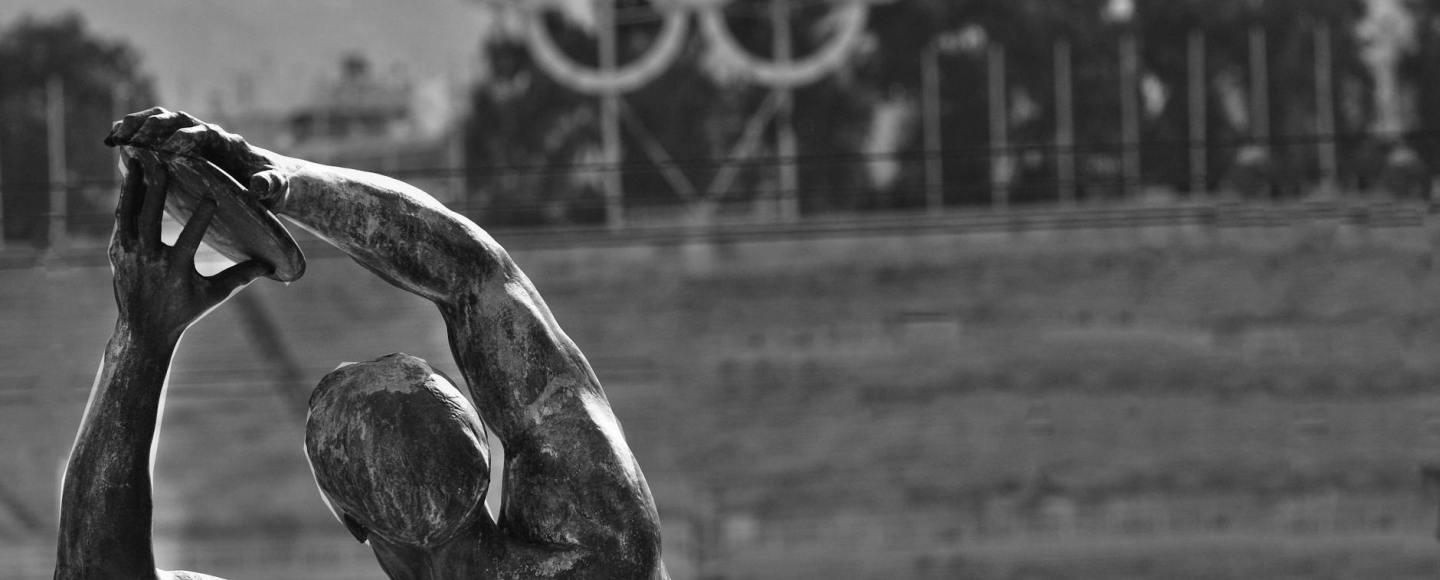

The Olympics have come and gone once again. Every four years, the world’s top qualifying athletes compete on the global stage in their specialized sports. This cycle was shorter because the Tokyo Games were held a year late due to the pandemic. However, it’s during these cycles that athletes truly hone their skills, train rigorously, and continue to compete in less-publicized national and international championships.
Setting aside the controversies—ranging from the construction of stadiums to athlete scandals and the almost inevitable doping accusations—the Olympics, from a purely sports perspective, provided excellent entertainment. I have my preferred sports to watch, but sometimes stumbling upon others can open up a whole new world of fascination.
Some sports, however, are puzzling to me. For instance, ‘breaking,’ included as a sport in Paris 2024, feels more like a dance-off than a competitive sport. I mean, why not include Zumba as well if we’re going down that road? Or consider some of the dressage events where horses perform what resembles ballet. While it undoubtedly requires skill and hard work—arguably just as much for the horse—I find it somewhat odd to watch.
Despite these thoughts, it’s the athletes who truly take center stage. Unlike many other sports, not all Olympians are highly paid professionals. Often, they are relatively unknown outside their specific disciplines. Yet, they dedicate their lives to their sport, with winning an Olympic gold medal representing the pinnacle of their achievements.
The sacrifices these athletes make are exceptional. Their training regimens, sometimes lasting seven hours a day, rival that of the workdays in any other field. And all of this effort is for a race that might last only nine or fifteen seconds. To make matters more challenging, there are times when an athlete is in peak form and performs flawlessly, only to have equipment malfunctions ruin their chances—through no fault of their own.
Some of their individual stories and journeys, whether they unfold in the spotlight or are shared during post-competition interviews, are truly inspiring. For example, you don’t have to look much further than Simone Biles’s arc of resilience. Others speak of overcoming injuries with the help of medical teams just in time for the Games. Some have lost loved ones who were their biggest supporters since the last Olympics, and now they compete in their memory, striving to make them proud.
Witnessing an athlete lead a mountain biking race only to get a puncture, replace their bike, and then fight back from almost last place to win in the dying seconds is surreal. Or the GB athlete who finished the marathon with a broken femur illustrates the determination. These stories and moments continue throughout the entire two weeks of the event. Now that it’s over, I find myself missing it and searching for other forms of entertainment.
While the excitement is undeniable, what I really want to highlight is what people can take away from the hard work of these athletes. If you spend time in fitness circles, you’ve probably heard the phrase “train like an athlete” more than once. People often start following athletes’ training regimens, asking how they can achieve the same level of fitness.
While I believe we can learn valuable lessons from athletes—such as dedication, mindset, sacrifices, and hard work—I would caution against taking that phrase too literally. These lessons are applicable to all areas of life, not just fitness. For example, if you want to achieve something, you will need to put in the work, and I can guarantee that there will almost always be sacrifices along the way.
However, trying to train exactly like an athlete may not be the best approach. Remember, your life is different. You likely have a job that takes up much of your time, while their main job and purpose is their sport, so they can and need to devote seven hours a day to training. They also usually have medical teams and health professionals to help them push their physical limits and recover quickly—resources that most of us don’t have.
In reality, your life requires you to adapt your training, fitness, and health to what works for you. This doesn’t mean you shouldn’t push yourself or make sacrifices. Quite the opposite—those are the very things we can learn from these athletes. Hard work and sacrifices are essential to achieving our goals. But it’s crucial to ensure that these efforts are relevant to your life and that the sacrifices you make align with your day-to-day reality.
While it’s been a pleasure to watch these athletes push themselves to the absolute limits of their physical and mental capabilities—some succeeding, some falling short on the day—there are lessons to be learned from their journeys. Just make sure to adapt those lessons to your goals and your life.
 LIFE ON FITNESS
0 comments on “Training Like an Olympian: What It Really Means for Everyday Life”