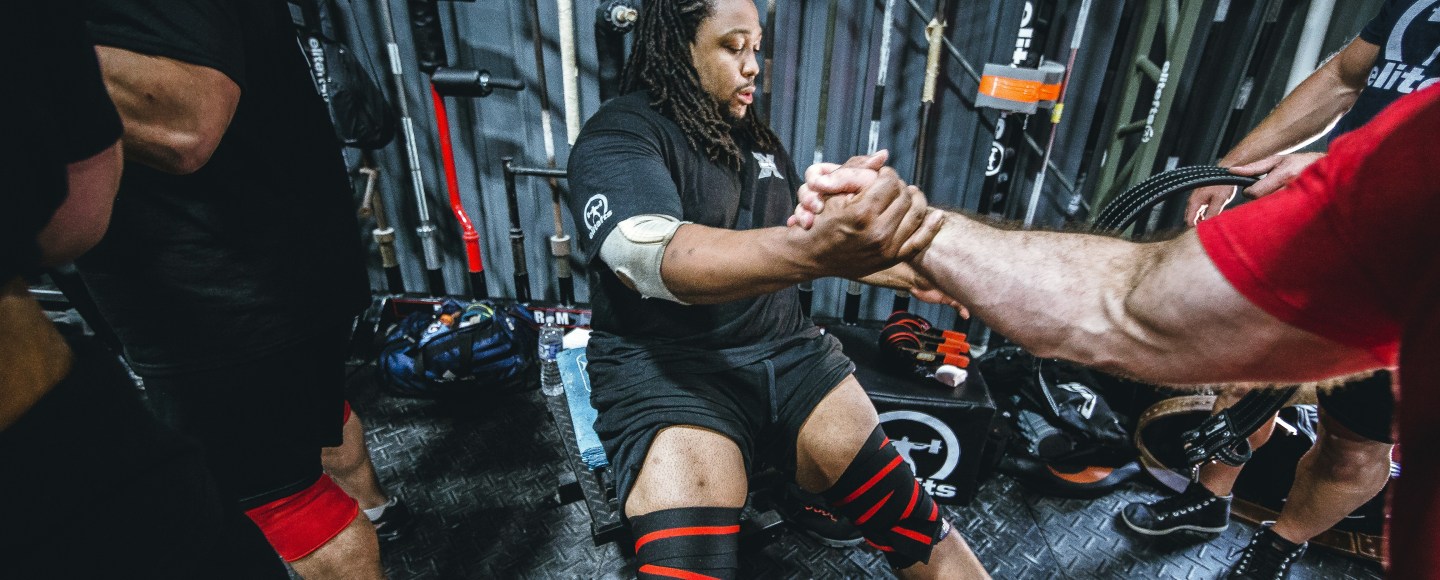

Slamming the bar back on the rack as he completed his rep, he leapt up from the bench and yelled jubilantly that it was the best spot ever. His excitement made me happy and brought a smile to my face. It’s always nice to be appreciated. He explained that he had never had a spotter who let him work so hard and struggle to get the rep without touching the bar. Knowing that he wanted to attempt a one-rep max, I was prepared not to intervene. I watched him push through, ready to assist if necessary, but allowed him to achieve the lift entirely on his own.
Spotting is an art and requires technique and awareness to be most effective. It is simple in its essence, but there are some essential points to consider.
First, don’t agree to spot weight if you don’t know the exercise, you can’t manage the weight, or are injured. There have been times I have declined to spot someone because I wasn’t comfortable with the exercise or the amount of weight on the bar. As a spotter, your role isn’t to perform the lift, but rather to ensure safety. If the load is heavy and you aren’t confident, it is safer to recommend someone else who is more capable or comfortable with the exercise.
Remember, a primary role of the spotter is to help the lifter push beyond their limits, which can be dangerous for both of you. Make sure to discuss expectations upfront and maintain complete focus. By adhering to these basic principles, you’re likely to help someone achieve a new personal record safely:
- Assess Comfort and Knowledge: Be honest about your ability to spot the exercise or handle the weight. If unsure, communicate this to the lifter—they can then decide if they still want your assistance.
- Communicate Clearly: Discuss the details of the set. Understand the number of reps, the type of assistance needed, and whether they prefer to handle the lift mostly independently or require help at specific points.
- Stay Focused and Attentive: The lifter has sought your help because they’re uncertain about handling the weight alone. It’s crucial to remain as focused as they are, providing a safety net should they fail.
- Maintain Proper Stance: Keep your feet firmly planted and follow the lift to anticipate where you might be needed most urgently.
- Motivate and Assist: Offer verbal encouragement and be prepared to intervene if necessary. Your support can make a critical difference.
- Don’t Take All the Weight: Only take significant weight off the lifter if explicitly requested. Typically, your job is to provide minimal assistance, helping them through difficult points without taking over the lift.
- Ensure Safety to the End: If you need to assist heavily, maintain your hold until the weight is securely re-racked. Letting go too early can cause the lifter to possibly miss the rack pins. I’ve seen it happen many times. Once you are involved, you will be needed all the way until the end and the bar is safely stowed.
Sometimes all the lifter needs is the slightest bit of assistance at one point which I like to call the sticky point. Minimal intervention might suffice to help them complete the rep. However, always be prepared to provide more substantial support if needed. Each type of rep or set may require a different type of spot or level of assistance.
If you’re the one being spotted, keep these points in mind:
- Value the Spotter’s Time: Be prompt and ready when asking for a spot, especially since the spotter is pausing their workout to assist you.
- Be Explicit: Clearly communicate your expectations and needs before starting. Whether it’s a personal record attempt or a regular set, let your spotter know your preferences about their involvement. Do you want a lift off or just help with the last few reps.
- Speak Up: If the lift isn’t going as planned, don’t hesitate to call your spotter into action. It’s better to involve them before the situation becomes critical.
- Be Appreciative: Show the spotter that you appreciate their assistance. Always thank your spotter, regardless of the outcome of the lift. Gratitude can encourage them to assist you again in the future.
Sometimes, an individual may want you to help them achieve more reps and sometimes they just want you to be there in case they fail. There are times when the lifter is attempting a PR and just one rep on a weight they have never tried or achieved before. Each one of these requires a different kind of spot. Whatever the situation, discuss it thoroughly, stay engaged, and you’ll not only prevent injuries but also potentially help someone reach a new milestone in their fitness journey.
 LIFE ON FITNESS
0 comments on “The Art of Spotting, How to Help Your Fellow Gym Goer Achieve More”