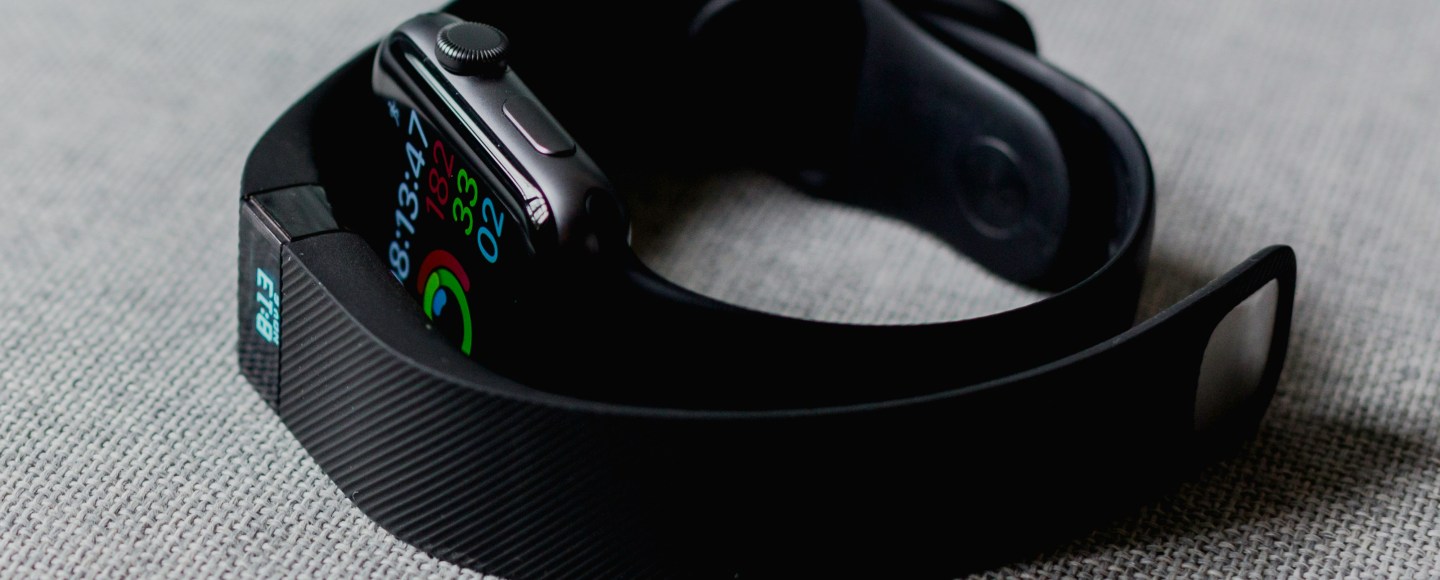

With the rapid growth and advancement in technology, inevitably fitness tracking devices, such as Fitbits and other wearable trackers, are becoming more prolific. Emblematic of society’s quest for self-improvement, these devices are almost reshaping our approach to health and fitness. They can act both as motivators and monitors of our daily lives. But I find myself wondering whether our constant surveillance of our physical activities and health metrics might actually be detracting from the very essence of living.
Designed to enhance our well-being, you have to consider whether they are having the opposite effect as these trackers often end up scripting our daily routines with the precision of a finely tuned machine. Personally, the closest thing I have to one of these fitness trackers is my iPhone tracking my step count which already keeps me checking if I beat my steps on the same day last week. Even without these devices, I already find myself keeping to a rigid regiment, fitness structure, and diet. Early morning training sessions at the gym five days a week, means I must get to sleep early enough to be well rested for peak performance. This discipline is crucial; it not only primes me for optimal physical performance but also embeds a sense of structure in my everyday life.
All this makes me wonder if I was to use a fitness tracker, if it would help me or demotivate me with the incessant monitoring and rigidness that it can bring along with it. With my already disciplined routine, I perform at a good level so it stands to reason that more tracking would optimize it even further. However, it would take even more away from my day to day living, joys, and preferences which could make me more miserable doing it all, potentially demotivate me, and maybe even make me lose interest.
Which brings me to question the overarching impact of these fitness trackers. They are undoubtedly beneficial for many, providing the necessary encouragement and data to reach personal health goals. Yet, there’s an inherent risk in their ability to dictate our lives. For some, the constant feedback loop—calories counted, steps taken, heart rate monitored—can transform what should be an enabler of vitality into a source of stress. Every deviation from the norm can feel like a failure, and the human need for variety and spontaneity is often stifled.
The analogy of a Tamagotchi is apt here. Much like these digital pets, which require regular attention and care strictly according to programmed reminders, we too have begun to live by the alerts and notifications of our fitness devices. We feed on schedule, exercise on cue, and sleep when told, all in an effort to maintain optimal health. But this controlled existence begs the question: Are we truly living, or are we merely surviving, tethered to the dictates of our wearable technology?
It’s essential to consider the balance between using technology to aid our lives and allowing it to overshadow the organic human experience. While these devices can provide valuable insights into our physical health and encourage positive habits, they should not replace the joy of living nor dictate every aspect of our day. The challenge lies in leveraging technology as a tool to enhance our well-being without becoming enslaved by it.
As we navigate this digital age, it’s crucial to remain mindful of the influence technology wields over our lives. Fitness trackers, when used wisely, can be a powerful ally in our journey toward health and fitness. However, we must be wary of letting them define our sense of self or control the natural rhythms of our lives. It is important to consider that measure of our well-being shouldn’t only be found in the data collected through sensors and algorithms but also through the quality of the lives we lead and the fulfillment we derive from our daily experiences.
 LIFE ON FITNESS
0 comments on “Do Fitness Trackers Help or Hinder Your Progress?”