
Health is no longer a point of discussion. It seems we are now only concerned with how the latest medical miracle drug, Ozempic, Mounjaro, and Wegovy to name a few, can satisfy our desire to do no work on ourselves, to have our cake and eat it too. Much like with veganism, it feels inevitable that what is marketed as “healthy” will eventually spiral into an ecosystem of ultra-processed, quick fix, anti-health solutions.
Two major issues arise here.
The first is financial, and it’s a big one. Here in the UK, the NHS is providing weight loss drugs to those who meet specific criteria. However, this funding comes directly from the NHS budget, which is supported by taxpayer money. Those who do not meet the criteria are left to go private, often spending significant amounts of their own money to access the same drugs.
The second issue is what happens once these drugs become completely mainstream. Smart businesses begin to build entire ecosystems around them and around the people using them. The focus quickly shifts from health to monetisation, how can products be sold to this new audience?
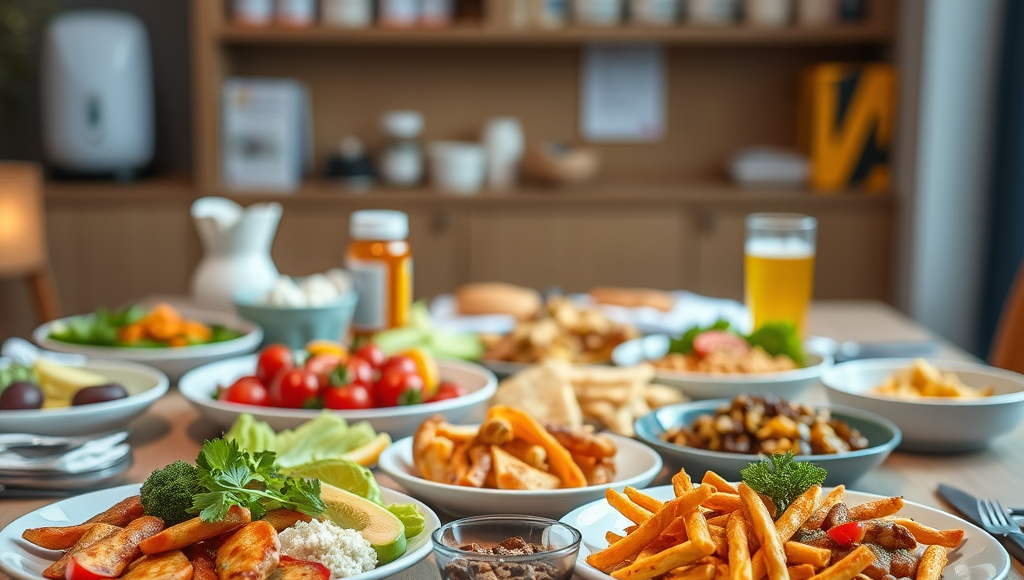
These drugs are said to significantly reduce appetite, which in theory should mean users no longer feel compelled to eat large amounts of the rubbish and ultra-processed food lining supermarket shelves. So what happens instead? “Drug-friendly” meals are created, foods that will almost certainly cost more, are likely to be highly processed, unnaturally high in sodium, and sit in a grey area somewhere between healthy and unhealthy.
Beyond this, the cost for these drugs will continue to surge for two further reasons. First, as they are largely manufactured in the United States, pharmaceutical companies have been instructed to increase prices to match what Americans would pay. Second, simple economics: demand is growing rapidly.
Not only is there increasing demand for weight loss use, but every so often a new study emerges suggesting these drugs can miraculously treat or cure additional ailments. As a result, demand will continue to climb, and those seeking them purely for weight loss may even fall lower down the hierarchy of medical necessity. Either way, eventually, demand will vastly outstrip supply, and prices will rise exponentially.
I believe, and have always believed, that these drugs have an important role to play in the overall health of our society, but only in the most desperate of cases. For example, someone with type 2 diabetes who needs to lose weight to achieve remission, or someone whose weight is so severe that they are physically unable to take meaningful action without medical intervention.
Weight loss drugs should be a last resort, not a quick fix or a shortcut to becoming one of the world’s “sexiest” people. Even when there is a strong, justified case for their use, they should be deployed as a short-term solution, alongside a clear plan to improve health, habits, and lifestyle in the long term.
Long-term reliance on these drugs is, if nothing else, simply unsustainable. And if long-term thinking, health, habits, and self-improvement are no longer priorities, then at the very least we must begin to seriously consider the financial burden and sustainability issues that will inevitably follow.
If fitness and health are to mean anything beyond convenience, they have to involve effort, patience, and responsibility. Tools can help, but they cannot replace habits, discipline, and long-term thinking. The uncomfortable truth is that sustainable health has never been quick, easy, or marketable. And perhaps that’s exactly why it matters more now than ever.
 LIFE ON FITNESS
0 comments on “Marks & Spencer Introducing New Weight Loss Drug Friendly Meals”