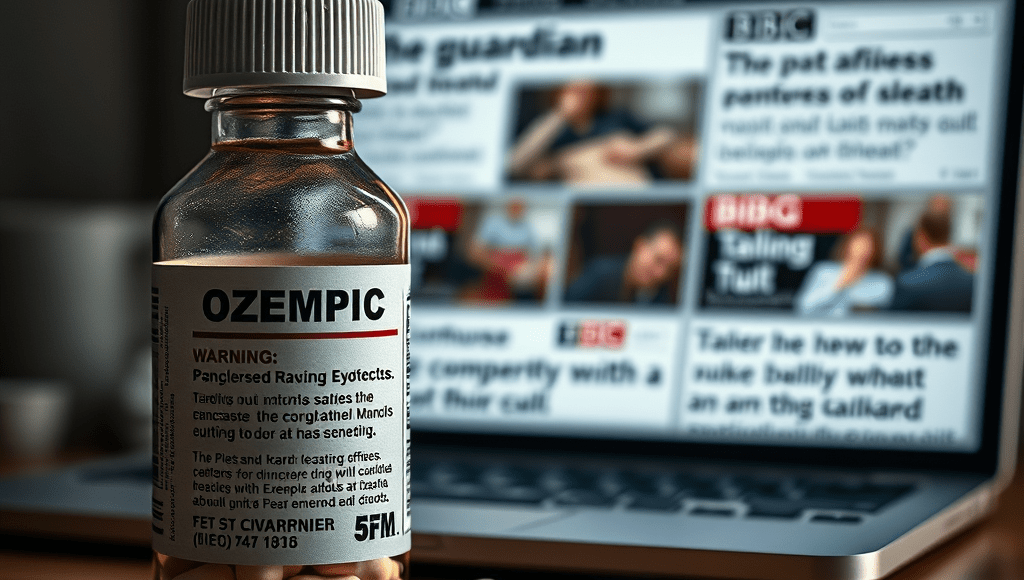

So, the inevitable has happened. Reports as recent as last week are now showing that there can be serious side effects associated with popular weight loss drugs like Ozempic, Mounjaro, and others in the same category. Major news outlets such as The Guardian and The BBC are now reporting that hundreds of users have experienced pancreas complications such as acute pancreatitis, potentially linked to these drugs, over 400 cases, to be more precise.
With any new drug, it takes time to truly understand the real-time and long-term side effects. Early use and limited circulation often mask potential long-term dangers simply because there hasn’t been enough time or data to fully assess them. Similar to mRNA technology, the long-term impact of these treatments remains largely unknown.
Well, now the reports are starting to trickle in. This isn’t to say that no one should ever use these drugs or that they will inevitably cause harm to everyone. Personally, I don’t support the casual use of these medications, but I recognize that they serve a purpose, especially for the morbidly obese or individuals living with type 2 diabetes. For those people, these drugs can be life-changing. However, for someone who is just trying to shed a few stubborn pounds or avoid eating healthy and exercising, it’s time to stop and really look into it. The idea of a “quick fix” comes with risks that may not be worth taking.
What’s really concerning is the availability and accuracy of information online. I first heard about these new reports on the radio. Yes, I still listen to traditional news programs. Curious, I did what most people would do: I performed a basic Google search to investigate further. What I found was troubling, and honestly, quite alarming.
The search results mostly brought up older articles first that are responses to similar concerns raised already two years ago or so. These pieces largely dismissed the possibility of any serious link between Ozempic and pancreatic complications. Even Google’s AI tool, Gemini, echoed this outdated sentiment, by telling me that there is no such link between the two and used the old articles as sources. But that information is based on what is now old research and it doesn’t reflect the latest findings. I had to scroll down through many of the first results just to find one link that referenced the current reports. That’s a huge problem.
Anyone doing a surface-level search about these weight loss medications will likely be reassured by old and potentially inaccurate information, which now seems to contradict newer findings. If the same red flags are being raised again now that were raised previously, we have to ask: was the original response dishonest? Were these early reports downplaying risks to keep people using the drugs, and why are the old dismissive articles the first results we see?
This brings up another wider issue: the power of pharmaceutical companies and the influence of tech companies on the information we see. If search results are prioritizing content that is older, misleading, or optimized by those who pay more or master SEO, then we’re not getting a clear picture or even the truth, we’re getting a curated result page by either the most adept SEO team or the one the spends the most to advertise on Google. That’s not real search; that’s manipulated data to show you what they want you to see. And it could mean that companies with enough resources can suppress the truth from the public eye.
My conclusion? I haven’t changed my mind. In fact, I feel more strongly about this now than ever before. Do not take these weight loss drugs unless you have no other medical option. The risks are real. At the very least, do your research and do it properly.
 LIFE ON FITNESS
0 comments on “The Growing Concern Around Ozempic and Other Weight Loss Drugs”